Spices Allergy Information
Allergy information about various spices — from common kitchen staples to more unusual triggers. Around 2% of US adults have spice allergies, and reactions can range from mild oral symptoms to more serious responses.
Spice allergies can be more common than many people realize, affecting a notable portion of adults who may not even recognize their symptoms as allergy-related. Because spices are used in such small amounts within prepared foods, pinpointing the exact trigger requires careful attention to ingredients and eating habits. Reactions often begin with mild oral symptoms such as tingling, itching, or swelling in the mouth and throat, which can sometimes be dismissed as a normal response to spicy food. Understanding the difference between a true allergic reaction and simple irritation from heat is an important first step toward managing your health and enjoying meals with confidence.
Common kitchen staples like cinnamon, paprika, garlic, and cumin are among the spices most frequently associated with allergic responses. However, less obvious triggers also exist, including seeds, dried herbs, and blended spice mixtures where multiple ingredients are present. Reading food labels thoroughly becomes essential, since spice blends often contain hidden components that are not individually listed. For those who experience reactions, keeping a detailed food diary can help identify patterns and isolate the offending spice. Working with a healthcare professional to confirm a diagnosis through proper testing ensures that avoidance strategies are based on accurate information rather than guesswork.
The impact of a spice allergy extends beyond physical symptoms into daily life, affecting dining out, travel, and social gatherings. Asking restaurant staff about seasoning practices can be challenging, especially when spice blends are proprietary or prepared in advance. Many people find it helpful to carry clear explanations of their allergy and to communicate their needs politely but firmly when ordering food. Prepackaged products also require vigilance, as even items that do not taste spicy may contain spices used for flavoring or preservation. With careful planning and consistent habits, individuals with spice allergies can maintain a varied and satisfying diet without constant worry.
Living well with a spice allergy involves building a toolkit of safe alternatives and trusted recipes. Experimenting with fresh herbs, citrus zest, or salt-based seasonings can provide flavor without triggering reactions. It is also wise to be aware that reactions can vary in severity over time, so staying alert to changing symptoms is always recommended. Educational resources and support communities offer practical guidance for navigating everyday challenges, from grocery shopping to holiday meals. The goal is not to eliminate enjoyment from food but to empower yourself with knowledge that supports both safety and quality of life, allowing you to approach eating with awareness rather than fear.
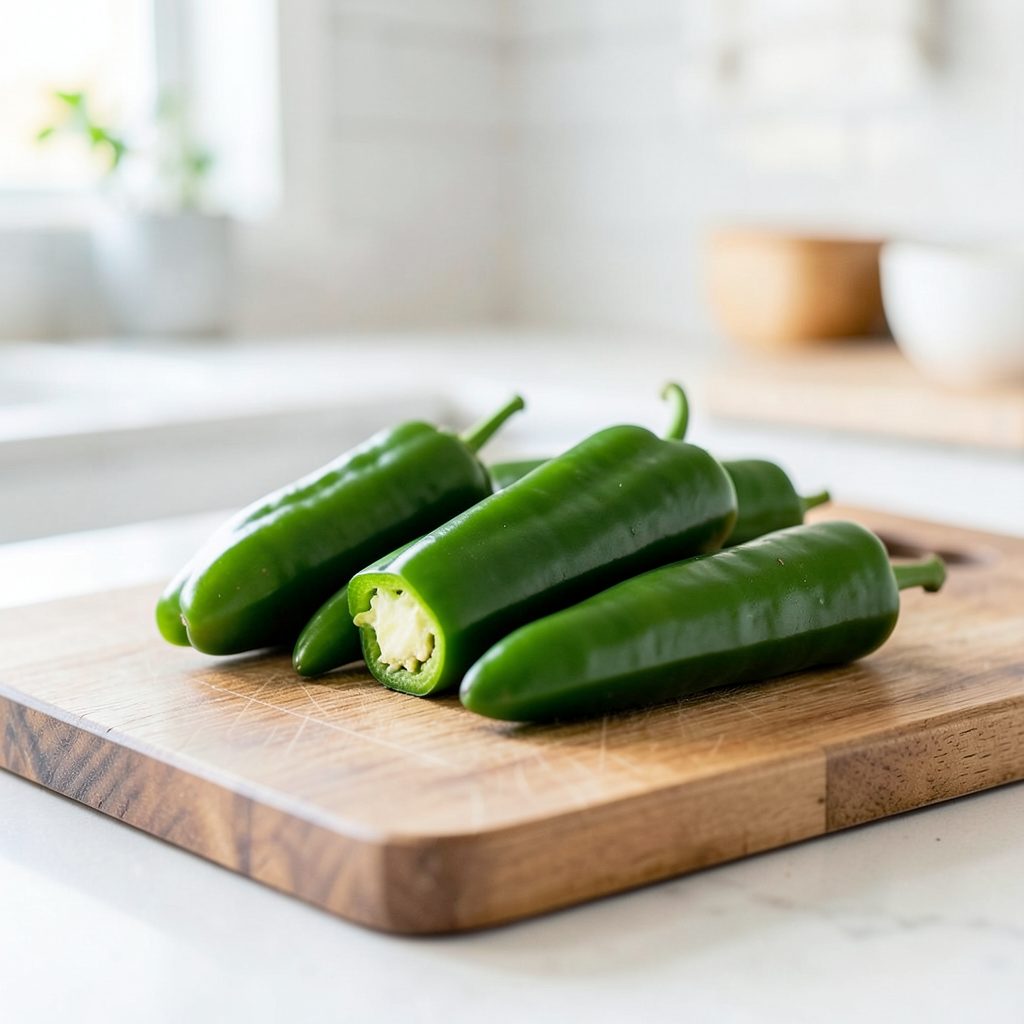
Jalapeno Allergy, Symptoms, and How to Treat It?
An allergy is an immune system response to a substance that is usually harmless. When someone has an allergy, their body reacts abnormally to the allergen, leading to symptoms like sneezing, itchy eyes, and hives. Learn about jalapeno allergy triggers and management.
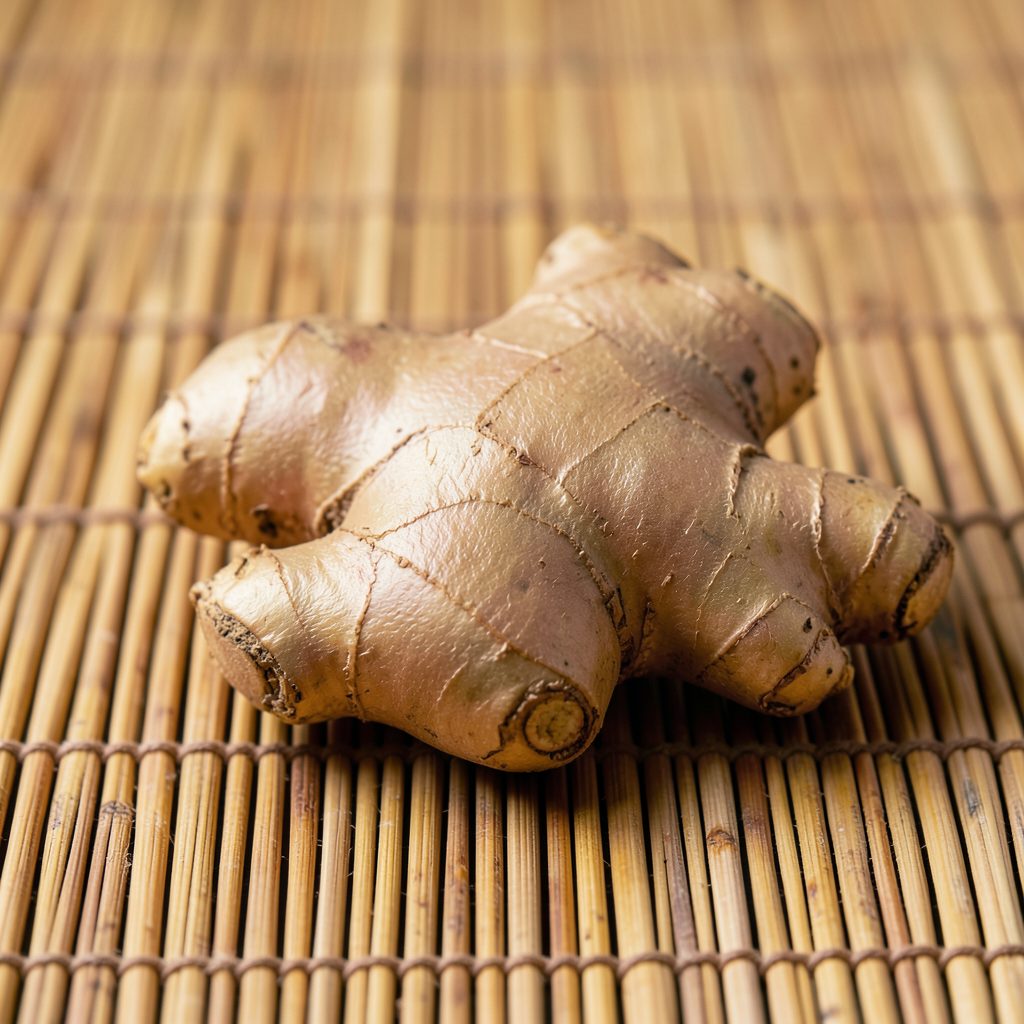
Ginger Allergy, Symptoms, and How to Treat It?
Ginger is widely used in cooking and herbal remedies, but for some people it can trigger allergic reactions. Explore the symptoms, causes, and treatment options for ginger allergy.
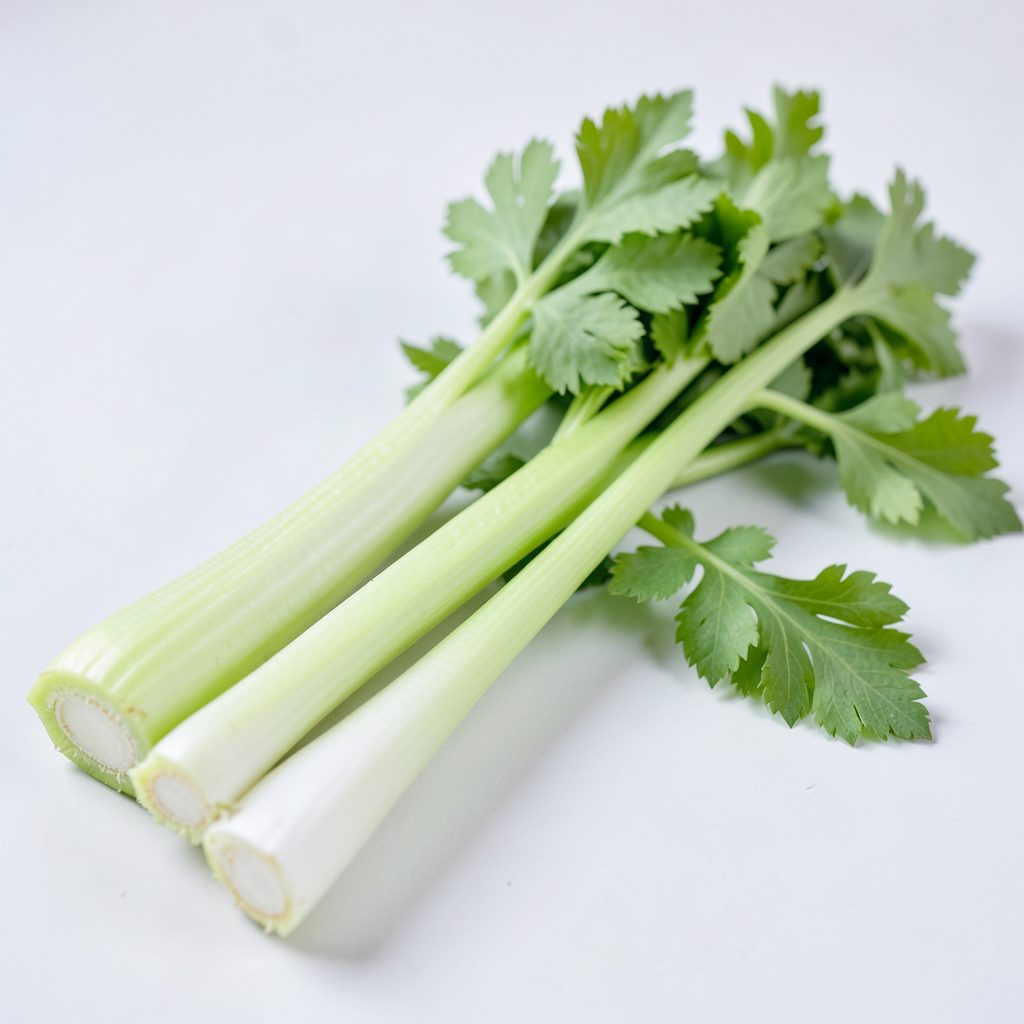
Celery Allergy, Symptoms, and How to Treat It?
Celery allergy is more common in certain European countries and can cause reactions ranging from oral allergy syndrome to severe anaphylaxis. Understand the risks and how to manage them.

Mustard Allergy, Symptoms, and How to Treat It?
Mustard is on the priority food allergens list according to Health Canada. Reactions can be immediate and severe, making awareness and careful label-reading essential for those affected.
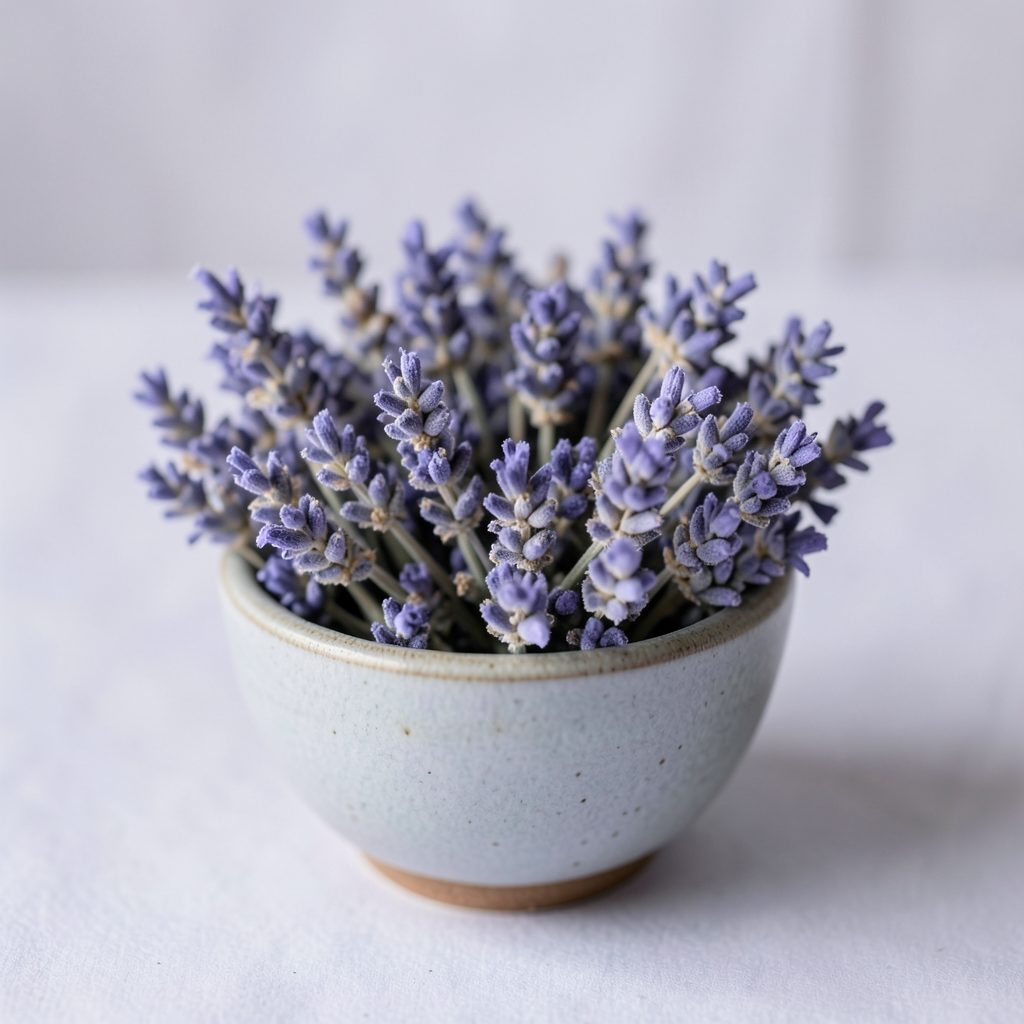
Lavender Allergy, Symptoms, and How to Treat It?
Lavender is prized for its calming scent, but contact or inhalation can provoke allergic skin reactions and respiratory symptoms in sensitive individuals.