
What Is a Fruit Allergy?
Fruit allergies occur when the immune system mistakenly identifies proteins in certain fruits as harmful. Reactions can range from mild itching or tingling in the mouth to more serious symptoms. Fruit allergy is frequently observed as local reactions in the oral cavity — a condition known as oral allergy syndrome (OAS).
Oral allergy syndrome often affects people who already have pollen allergies, such as hay fever. The proteins in some raw fruits and vegetables closely resemble pollen proteins, causing cross-reactivity. Cooking or peeling the fruit can sometimes reduce or eliminate the reaction.
Common Symptoms
Symptoms of a fruit allergy may include itching or swelling of the lips, tongue, throat, or roof of the mouth. Some individuals experience hives, stomach discomfort, or in rare cases, anaphylaxis. Because reactions vary widely, it is important to consult a healthcare professional for proper evaluation and guidance.
Articles on Fruit Allergies
Browse our collection of articles covering various fruit-related allergic reactions, their causes, symptoms, and practical management strategies.
Oral Allergy Syndrome & Fruit
Learn how pollen cross-reactivity triggers oral allergy syndrome when eating raw fruits.
Read more →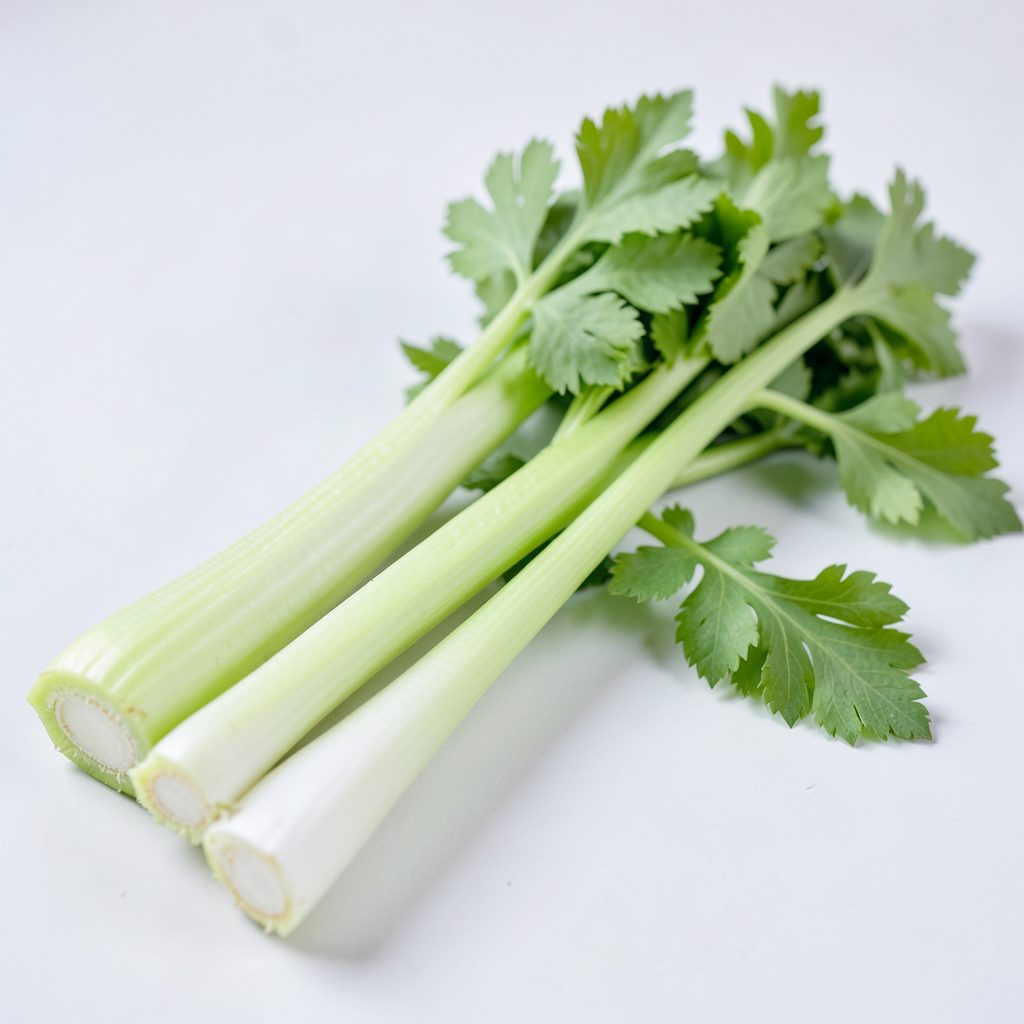
Celery Allergy
Symptoms, causes, and treatment options for celery allergy — a lesser-known but significant food allergen.
Read more →
Orange Juice Allergy
Can orange juice trigger allergic reactions? Explore symptoms and what to watch for.
Read more →