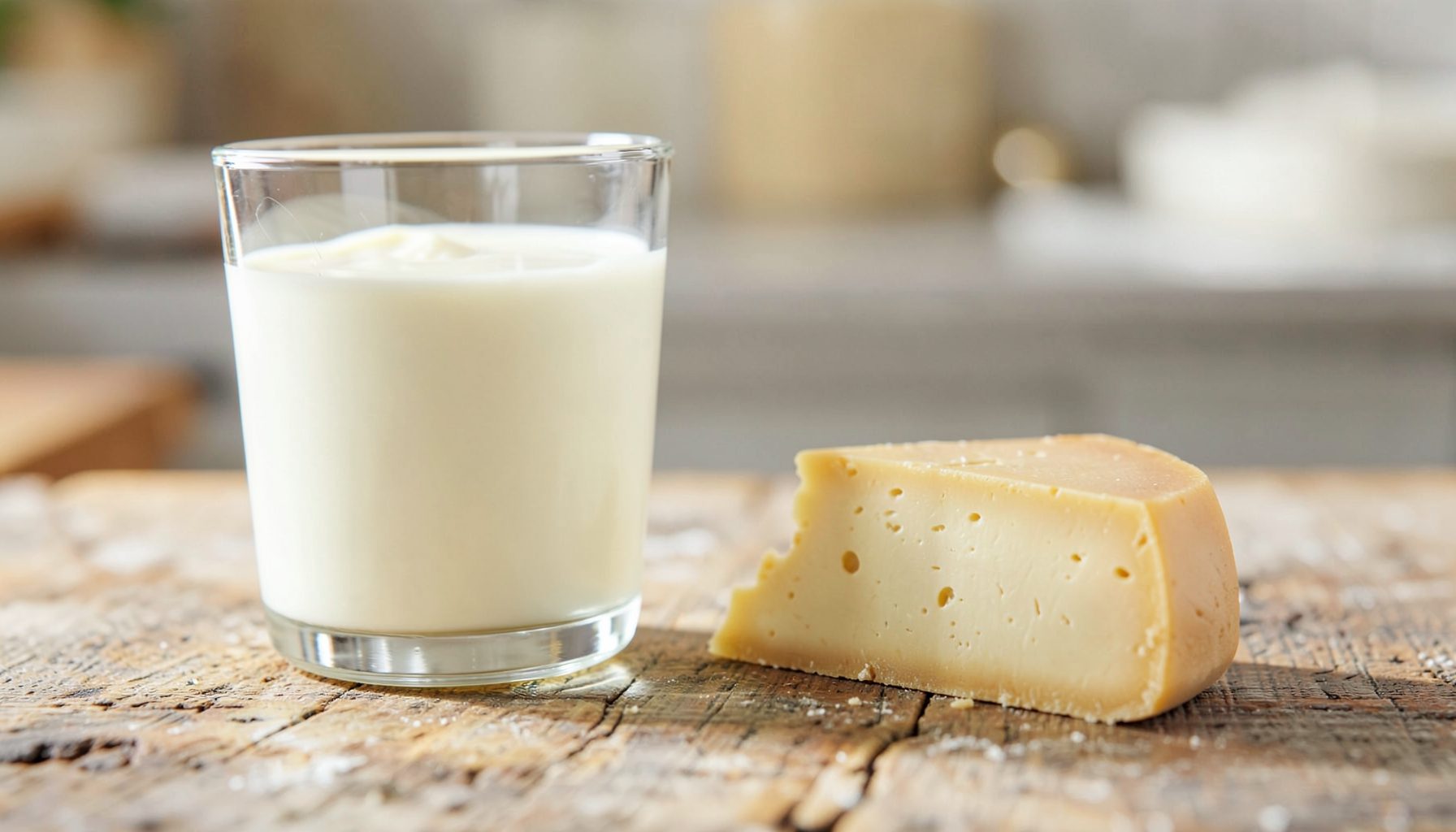
Dairy Allergy vs. Lactose Intolerance: What's the Difference?
The domestication of ruminants over 10,000 years ago made milk a nutrient-dense food, but lactose intolerance and dairy allergies prevent many from enjoying dairy products.
Read more →Allergies and intolerances related to beverages — from dairy and tea to wine, beer, and hard seltzer. Learn about symptoms, causes, and how to manage reactions to common and less-expected drinks.
Beverage allergies can be more common than many people realize, and they often present in ways that are easy to misinterpret. While dairy and tea are frequent culprits, reactions can also stem from ingredients hidden in flavored waters, juices, and even herbal infusions. Symptoms may range from mild oral itching to more serious digestive distress, and in some cases, skin reactions or breathing difficulties can occur. Understanding what triggers your body's response is the first step toward managing your intake effectively, whether that means reading labels more carefully, asking about preparation methods when dining out, or keeping a detailed food and drink diary to spot patterns over time.
Alcoholic beverages present a particularly complex challenge for those managing allergies and intolerances. Wine, beer, and hard seltzer each contain unique combinations of ingredients that can provoke reactions, from sulfites and histamines to grains, fruits, and artificial flavorings. Some people experience symptoms that resemble allergic responses but are actually intolerances, which require a different approach to management. Learning to distinguish between these conditions is essential, as is recognizing that even small amounts of a triggering substance can produce uncomfortable effects. For those navigating this territory, consulting with a healthcare professional can provide clarity and a practical plan for safer choices.
Oral allergy syndrome is one of the more frequently observed conditions affecting people who react to certain drinks and foods. This phenomenon occurs when the immune system confuses proteins in fresh produce with those found in pollen, leading to localized reactions in the mouth and throat. Symptoms often include tingling, itching, or swelling of the lips, tongue, and palate shortly after consumption. While these reactions are typically mild, they can be frustrating and may limit enjoyment of favorite beverages and snacks. Fortunately, many people find that cooking or processing certain items reduces the reaction, and working with an allergy specialist can help identify which raw ingredients to avoid or prepare differently.
Managing beverage allergies in daily life requires a combination of vigilance, education, and practical strategies. Reading ingredient lists thoroughly, asking questions at restaurants and cafes, and carrying appropriate medication when needed are all important habits for those affected. It is also helpful to stay informed about new products and formulation changes, as manufacturers occasionally alter recipes without prominent notice. Support from family, friends, and online communities can make the journey easier, providing both emotional encouragement and practical tips. Remember that this website offers informational and educational content meant to support your understanding, but it is not a substitute for professional medical advice, diagnosis, or treatment from a qualified healthcare provider.
The domestication of ruminants over 10,000 years ago made milk a nutrient-dense food, but lactose intolerance and dairy allergies prevent many from enjoying dairy products.
Read more →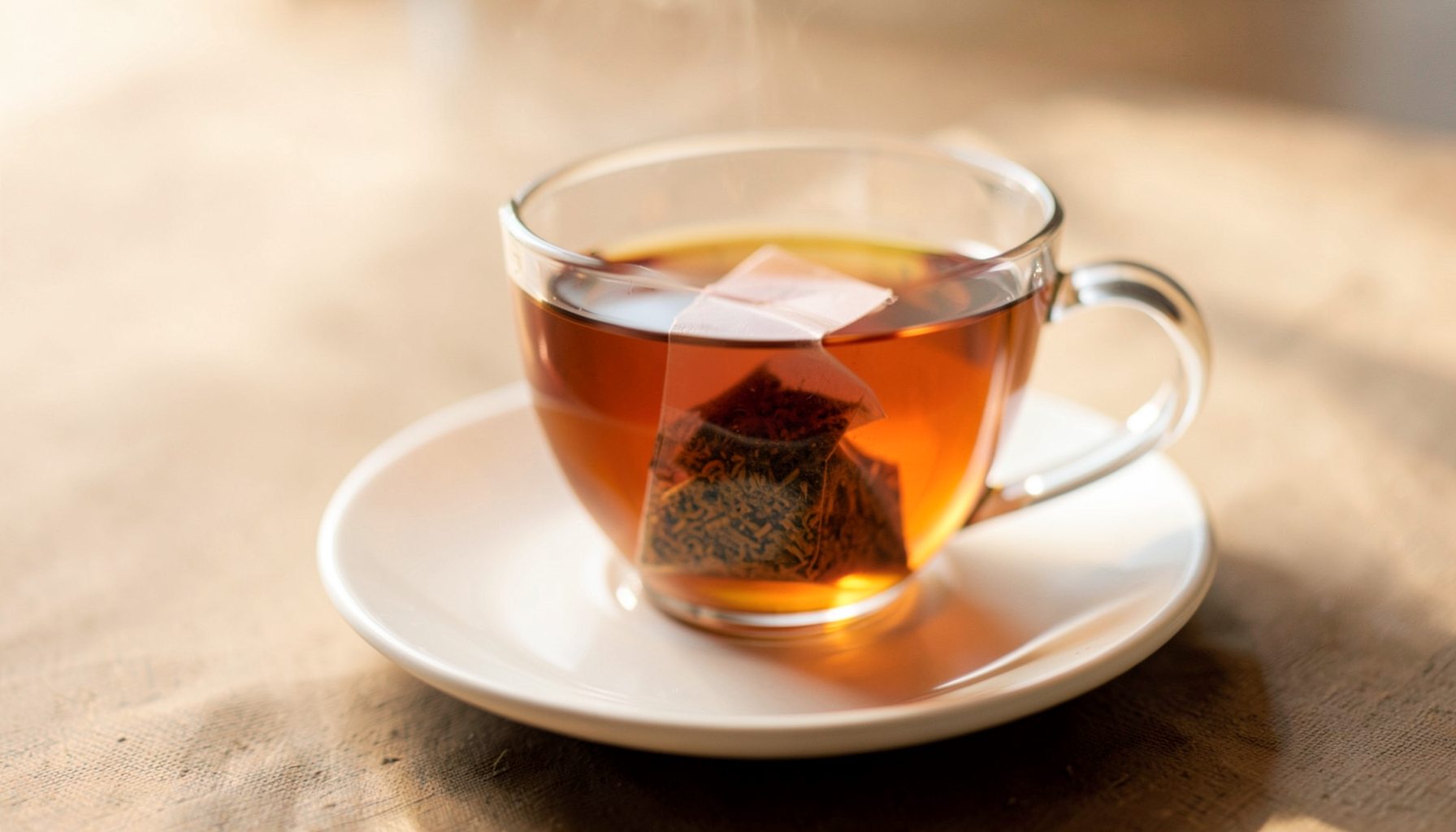
Tea is enjoyed worldwide, but for some it can trigger allergic reactions ranging from mild skin irritation to more serious respiratory symptoms.
Read more →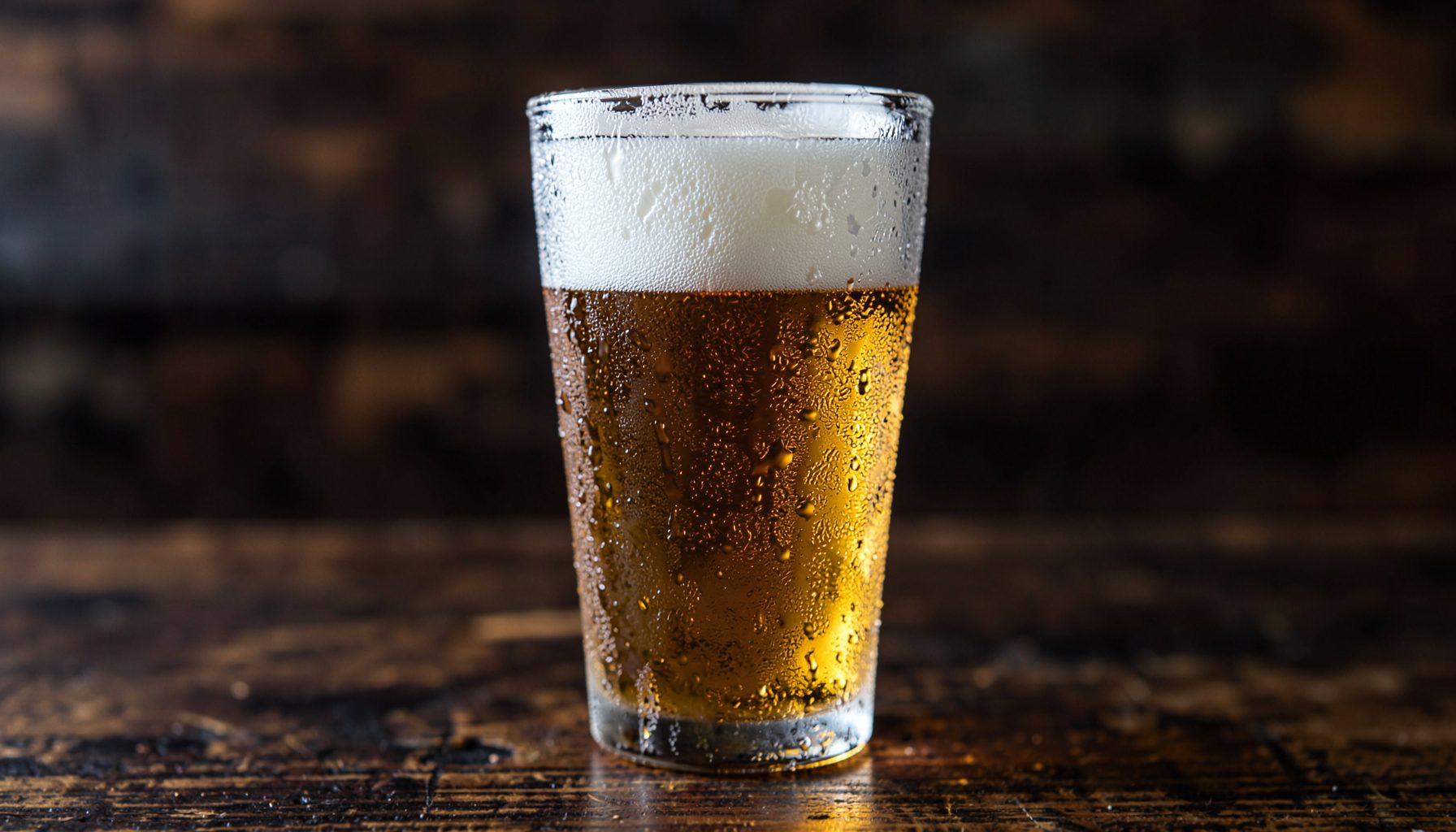
Hops are a key ingredient in beer, and an allergy to hops can make enjoying a cold brew difficult — here's what to watch for and how to manage it.
Read more →
Orange juice is a breakfast staple, but for those with a citrus allergy it can cause oral itching, swelling, and digestive distress.
Read more →
Red wine can trigger headaches, flushing, and nasal congestion in sensitive individuals — sulfites, histamines, and grape proteins may all play a role.
Read more →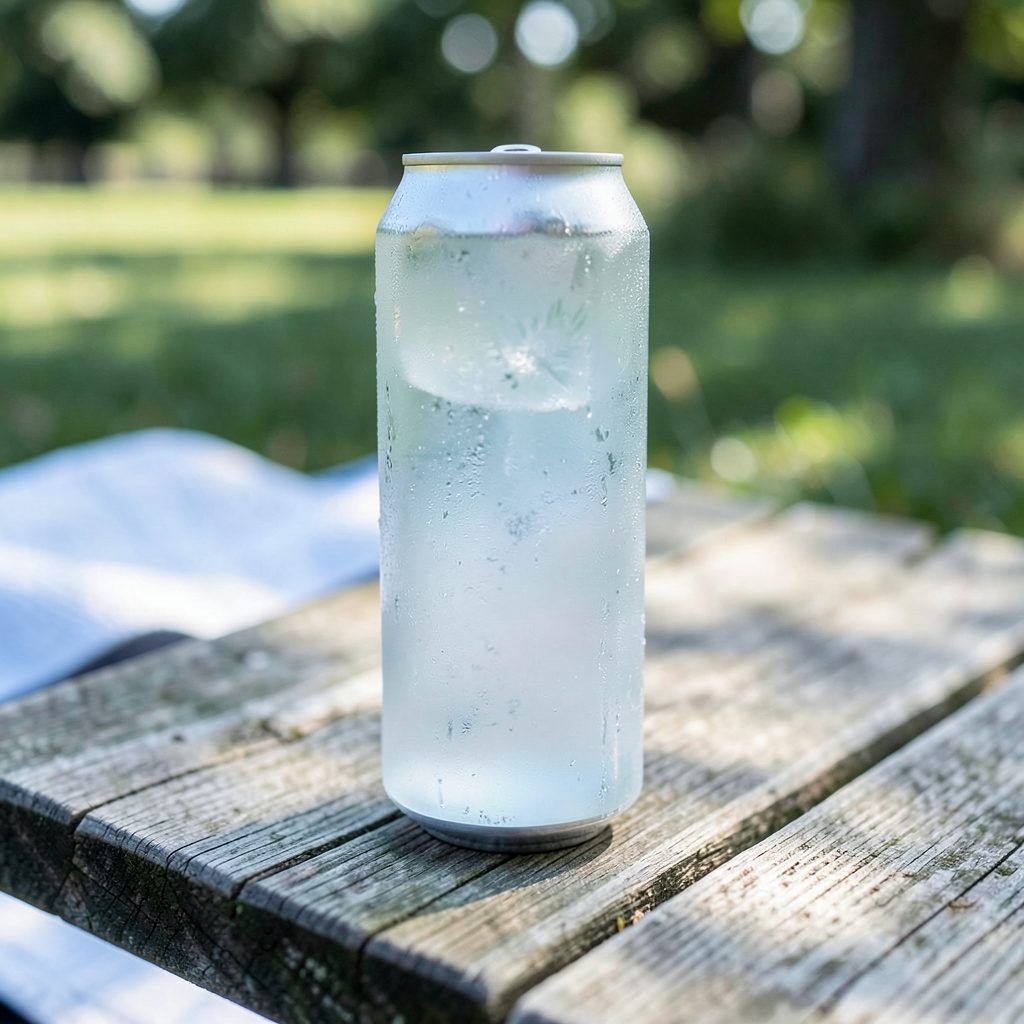
Hard seltzers have surged in popularity, but their ingredients — from carbonation to fruit flavorings — can provoke unexpected allergic reactions.
Read more →
Even mass-market light beers can contain allergens — from barley malt to corn and hop derivatives — that may cause reactions in sensitive drinkers.
Read more →Our travel guides help you navigate dining out safely in cities across the US and abroad — with tips for dairy-free, gluten-free, and allergen-aware eating.
Explore Travel Guides